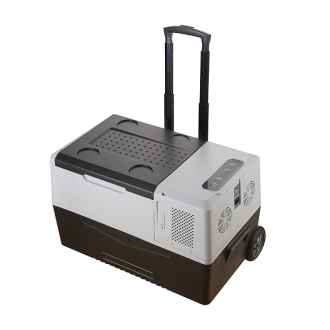
Portable compressed car refrigerator
Get Latest Price

Scroll down to load more.
Load more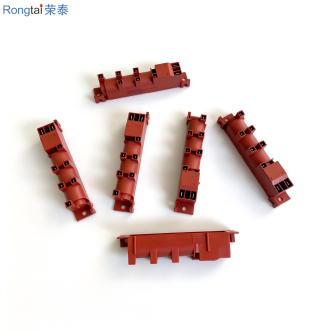
Walk into any appliance parts warehouse and you will find two ceramic Igniter options on the shelf: silicon carbide and silicon nitride. Both glow. Both light gas. But they age very differently, and t
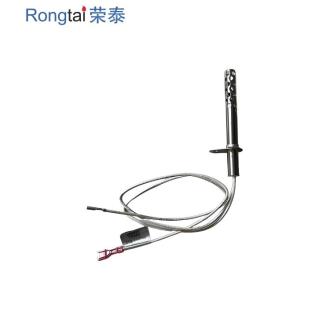
The numbers are hard to ignore. Independent laboratory testing subjected both silicon nitride and silicon carbide hot surface igniters to 1,200°C surface temperatures with 60‑second on‑off cycles—a re
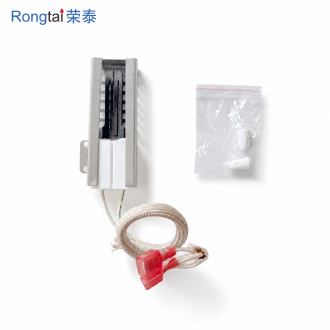
If you’ve ever owned a gas oven, you’ve heard the difference. One type clicks. The other glows. That’s the simplest way to tell a spark igniter from a Silicon Carbide Igniter . Spark ignition works li
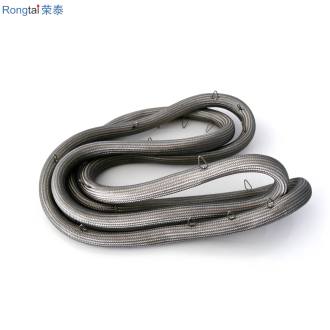
When designing a gas oven, engineers often look at a standard silicone wire rated for 200°C and assume it is safe because the baking cavity only reaches 250°C. This is a costly miscalculation. In the
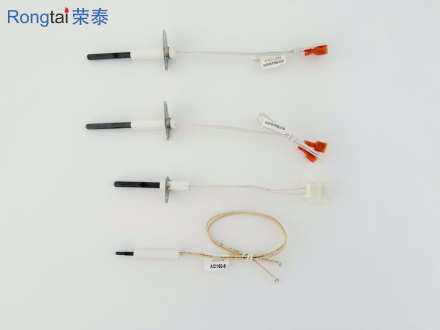
The old glow-bar Igniter was a brute-force device. Every time a furnace called for heat, that element drew 300 to 450 watts and held it for 15 to 20 seconds, heating the surrounding air as much as the
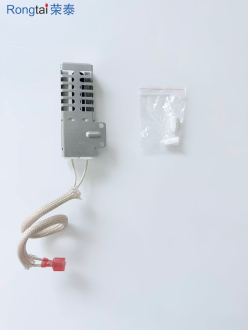
Every gas-fired heating system follows the same basic sequence: power on, element heats, gas valve opens, flame appears. But the time between "power on" and "flame" varies dramatically—and that gap di
Product Inquiry