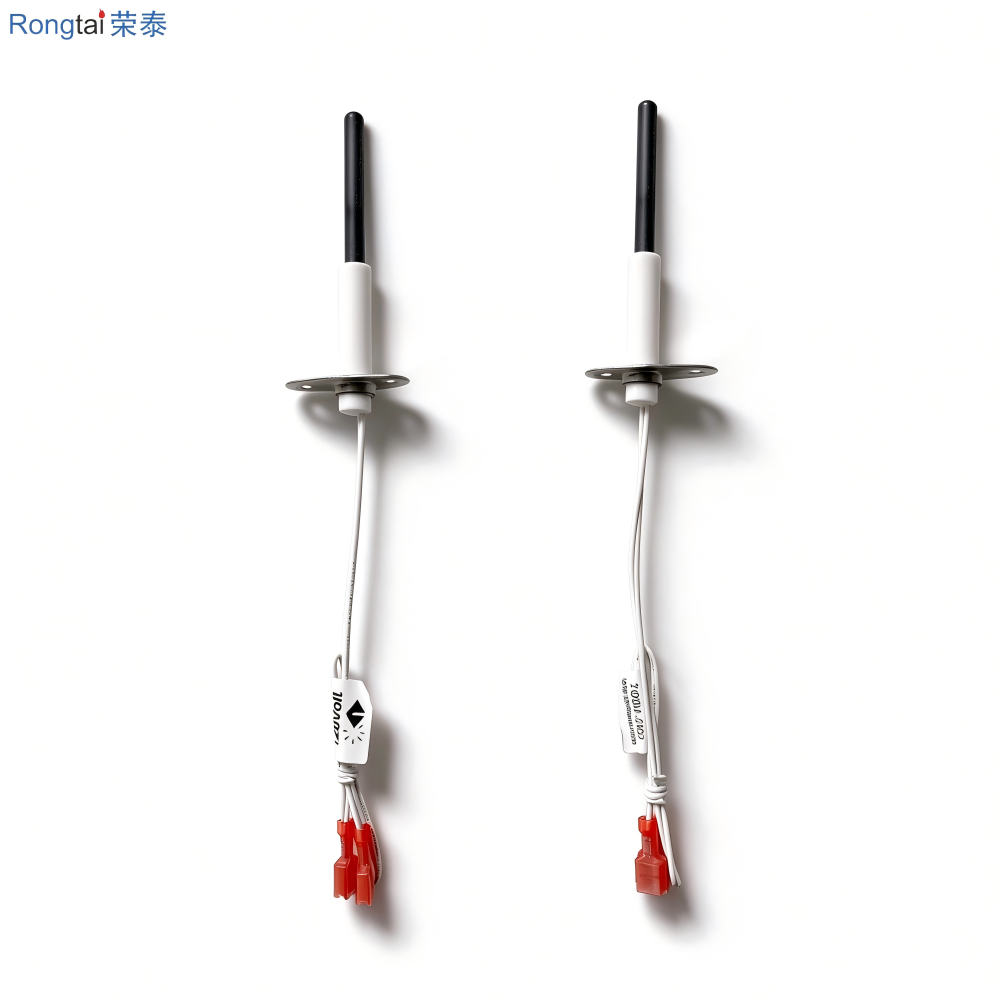
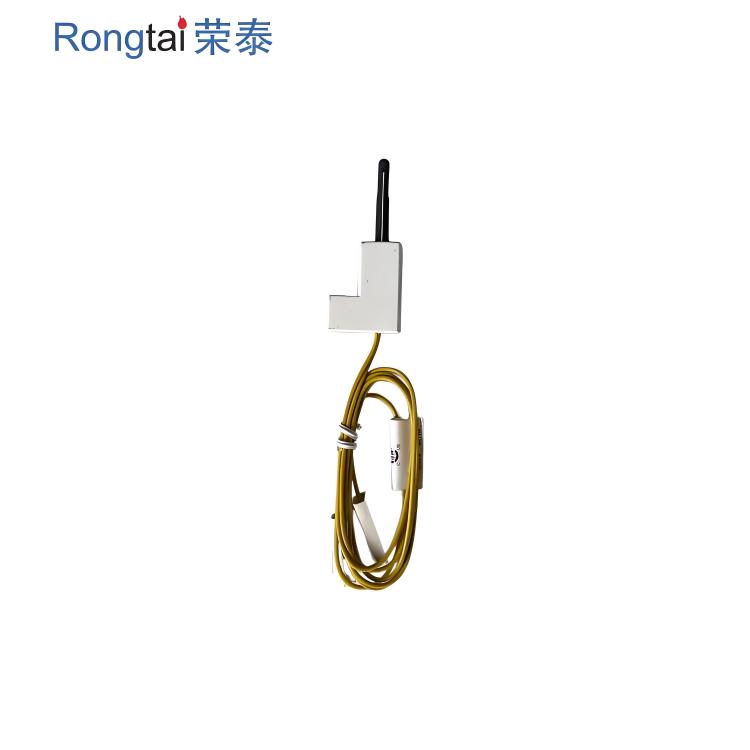
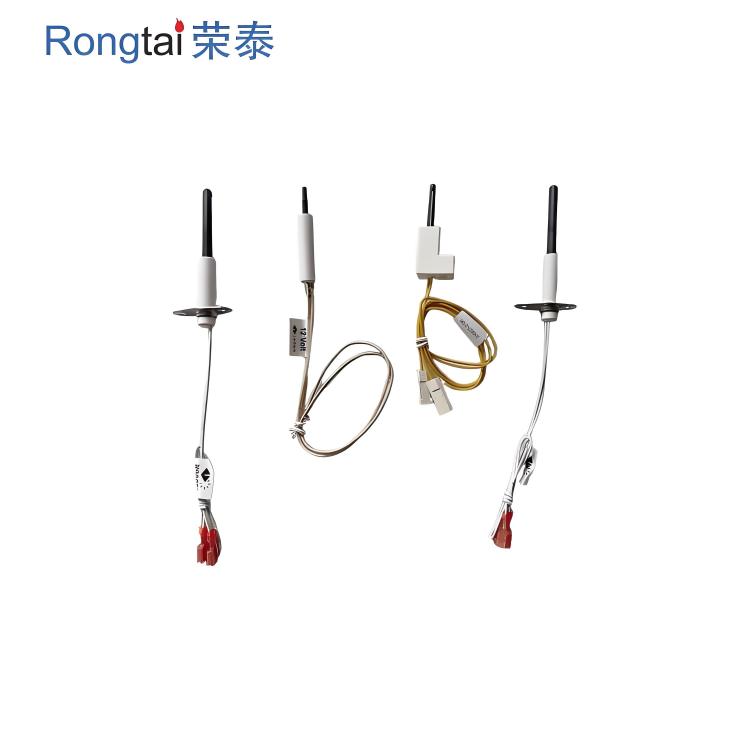
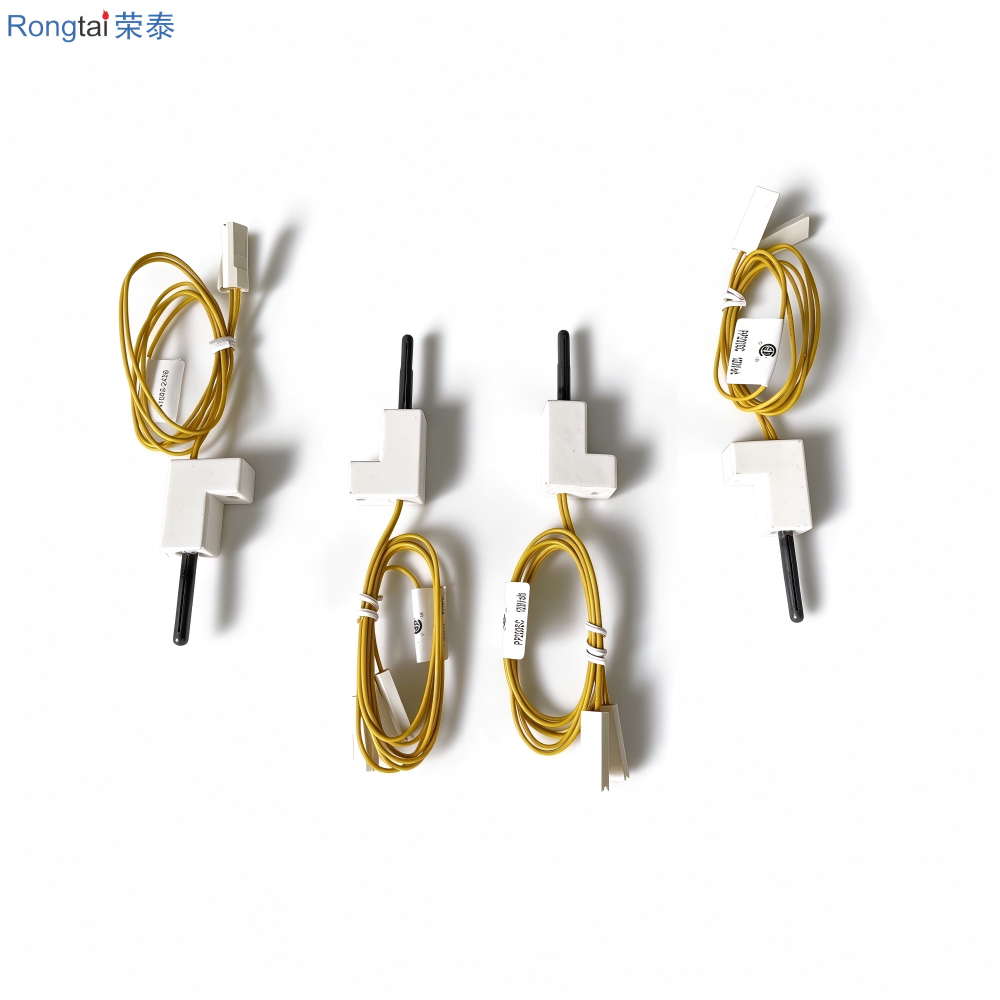
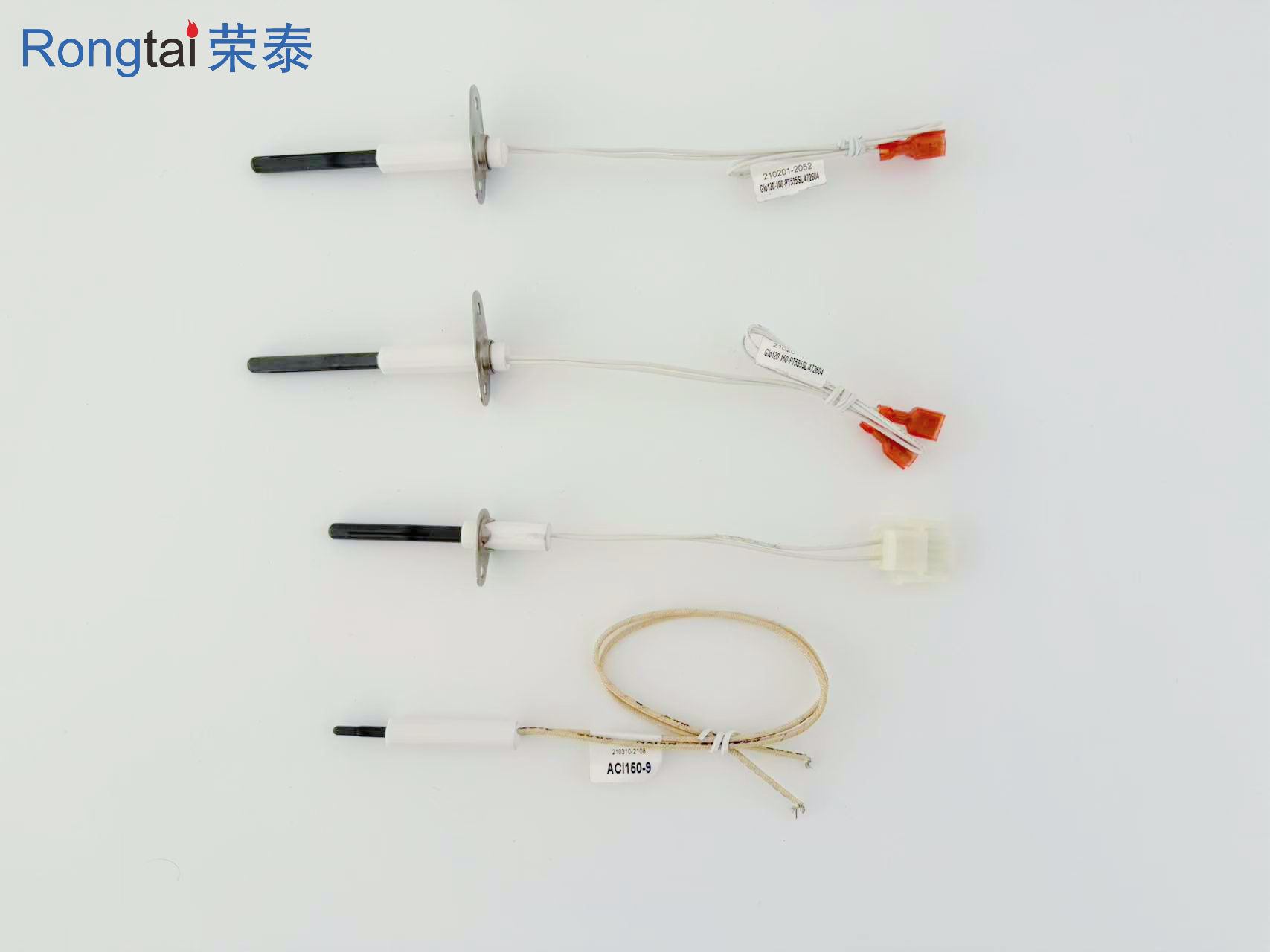
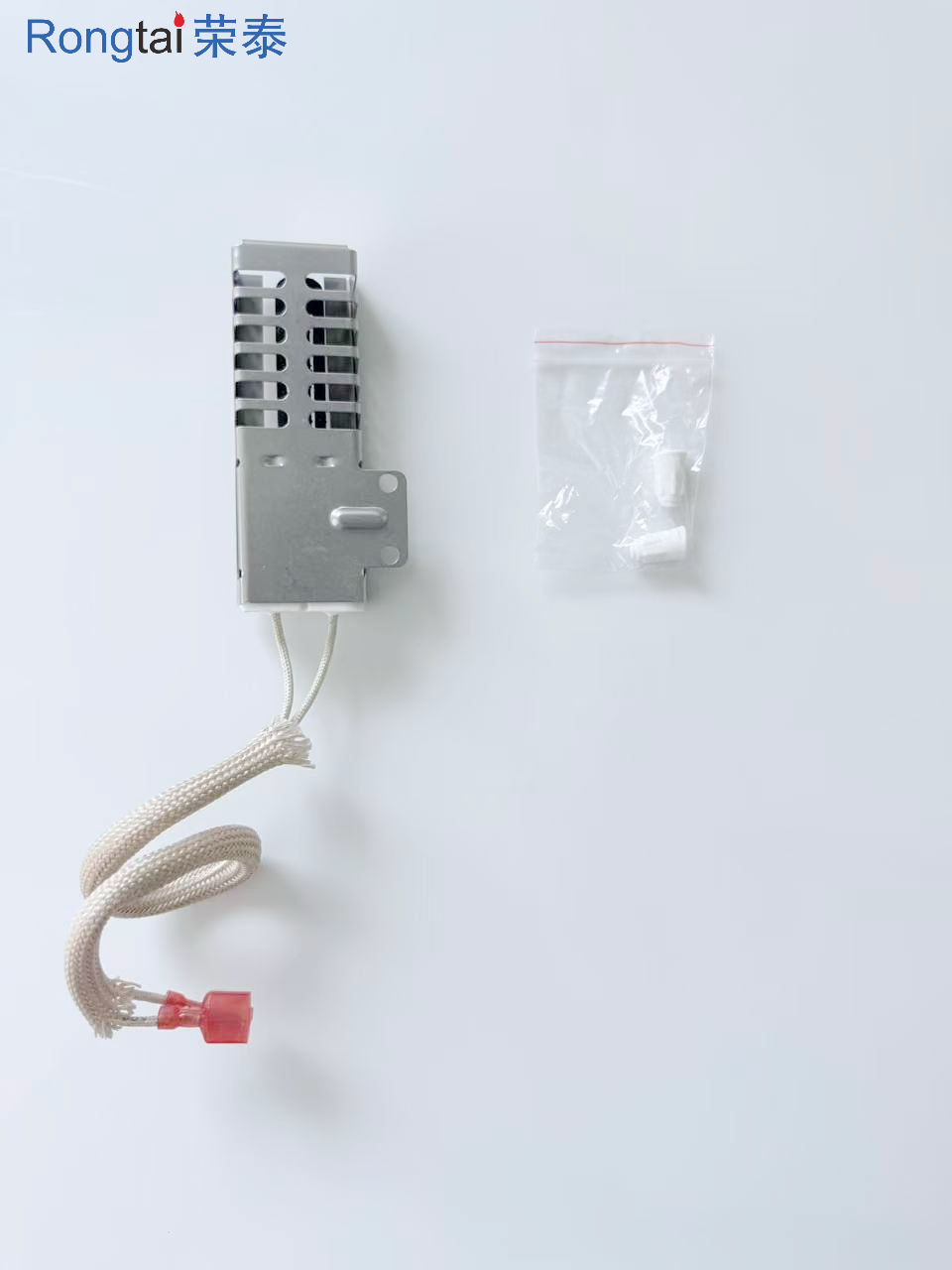
The choice between a hot surface igniter and spark ignition rarely comes down to which one is “better.” It comes down to where the heat is being made and who is standing next to it when it fails. A Ho
A Hot Surface Igniter looks simple. It is a small ceramic element that glows red to light gas. But it lives in a harsh place: heat, vibration, and repeated thermal cycling. When it fails, the furnace
A gas stove that won’t light is annoying. A gas stove that releases fuel without lighting is dangerous. That’s the line a Hot Surface Igniter is designed to hold. Unlike a spark igniter, which clicks
The first safety fact about a hot surface igniter is the one most people never see on a spec sheet: it runs at temperatures that will burn skin on contact. A silicon nitride igniter reaches its operat
A restaurant owner in Chicago once told me that the worst sound in the world isn't a screaming customer or a crashing plate. It's the soft click of an Igniter trying to light an oven during the Friday
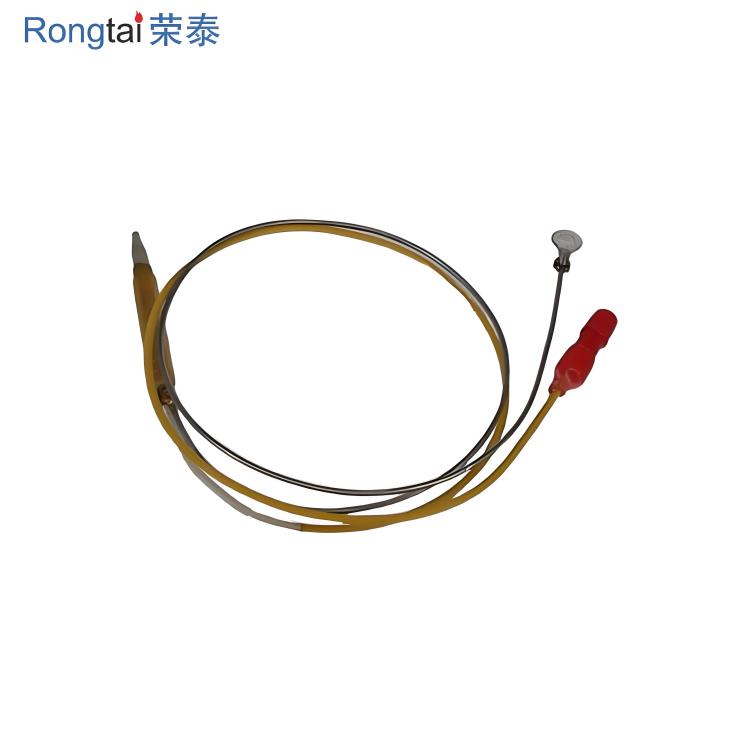
When a gas burner or industrial heater fails, it is often not the big parts. It is the sensors. A Thermocouple, a Hot Surface Igniter, and an Ignition Electrode sit at the center of the safety loop. I
An igniter that fails at eighteen months rarely died of old age. Most igniters are rated for three to seven years of service, and the gap between that figure and reality is where the real diagnosis be
A spark electrode is a small part with a narrow job: create a reliable gap for the spark to jump. When ignition gets flaky, the electrode is often blamed before anyone checks what's actually affecting
The old glow-bar Igniter was a brute-force device. Every time a furnace called for heat, that element drew 300 to 450 watts and held it for 15 to 20 seconds, heating the surrounding air as much as the
Every gas-fired heating system follows the same basic sequence: power on, element heats, gas valve opens, flame appears. But the time between "power on" and "flame" varies dramatically—and that gap di