How Do Manufacturers Test Cooker Ignition?
Ignition performance is one of the most critical safety and usability factors in gas cooking equipment. A reliable cooker ignition test ensures that burners ignite quickly, consistently, and safely un

Ignition performance is one of the most critical safety and usability factors in gas cooking equipment. A reliable cooker ignition test ensures that burners ignite quickly, consistently, and safely un
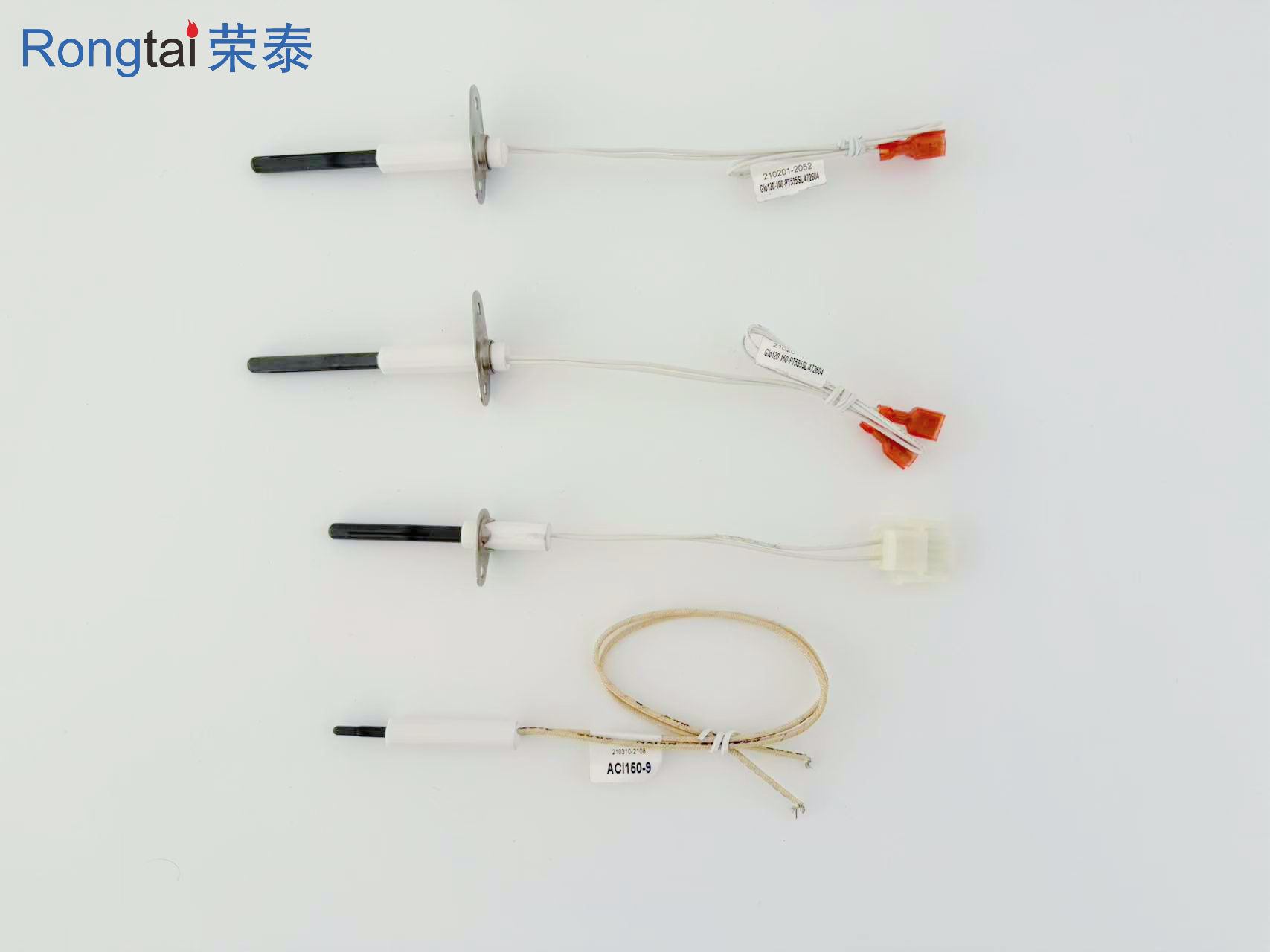
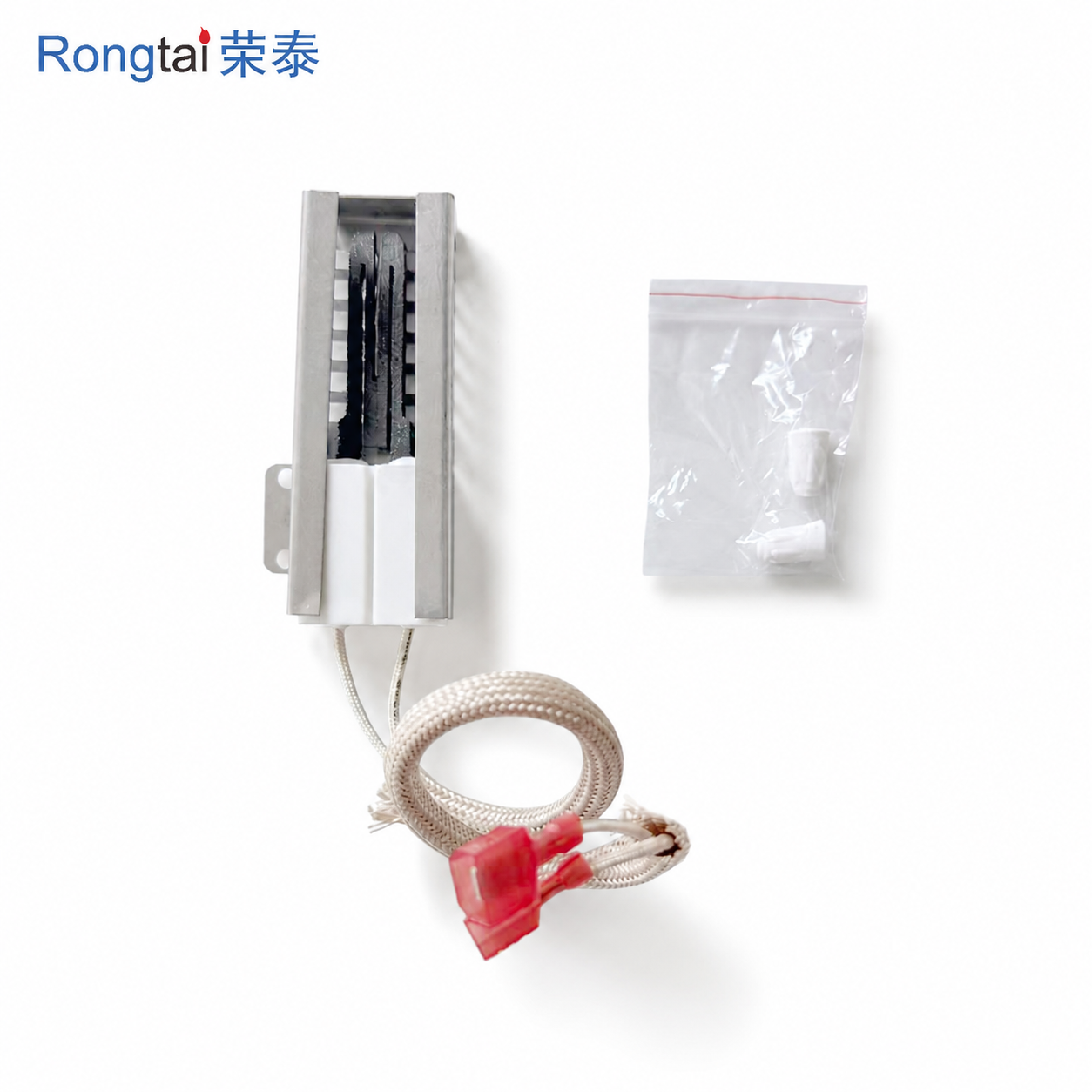
Walk into any appliance parts warehouse and you will find two ceramic Igniter options on the shelf: silicon carbide and silicon nitride. Both glow. Both light gas. But they age very differently, and t
The old glow-bar Igniter was a brute-force device. Every time a furnace called for heat, that element drew 300 to 450 watts and held it for 15 to 20 seconds, heating the surrounding air as much as the
A Hot Surface Igniter looks simple. It is a small ceramic element that glows red to light gas. But it lives in a harsh place: heat, vibration, and repeated thermal cycling. When it fails, the furnace
An igniter that fails at eighteen months rarely died of old age. Most igniters are rated for three to seven years of service, and the gap between that figure and reality is where the real diagnosis be
If you’ve ever owned a gas oven, you’ve heard the difference. One type clicks. The other glows. That’s the simplest way to tell a spark igniter from a Silicon Carbide Igniter . Spark ignition works li
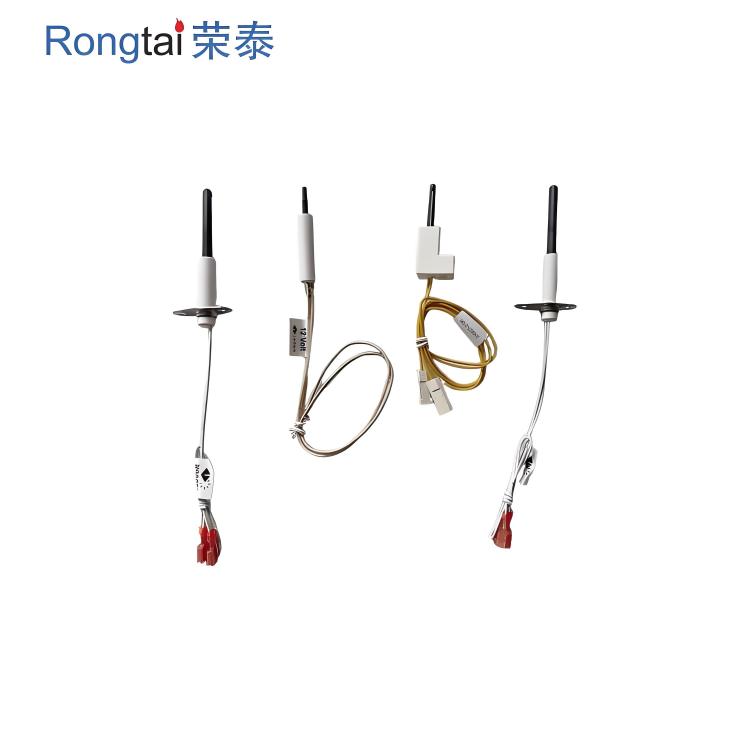
A gas stove that won’t light is annoying. A gas stove that releases fuel without lighting is dangerous. That’s the line a Hot Surface Igniter is designed to hold. Unlike a spark igniter, which clicks
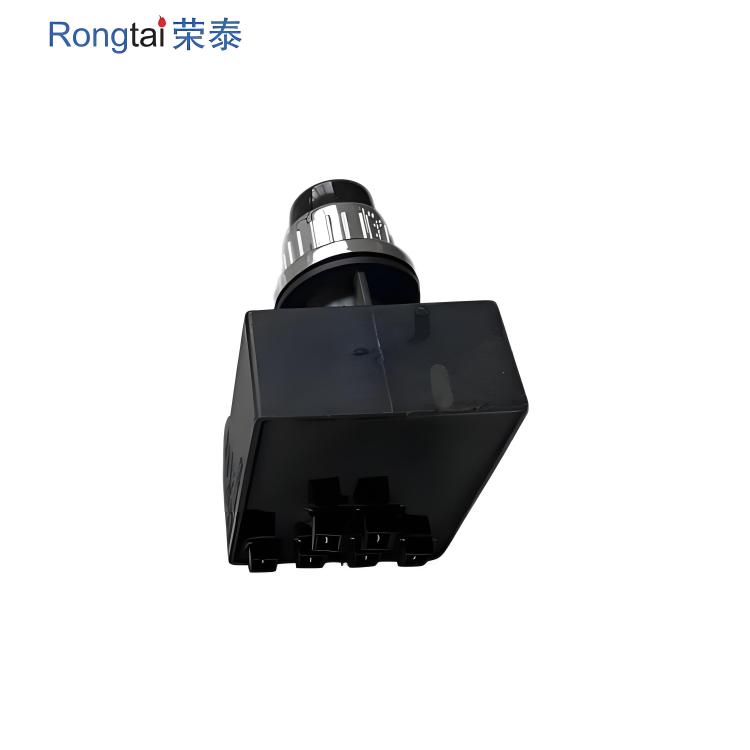
A six-burner grill with a single spark point is a design compromise. When you press the ignition button, the spark fires at one electrode. The flame then has to travel—through cross-ignition channels,
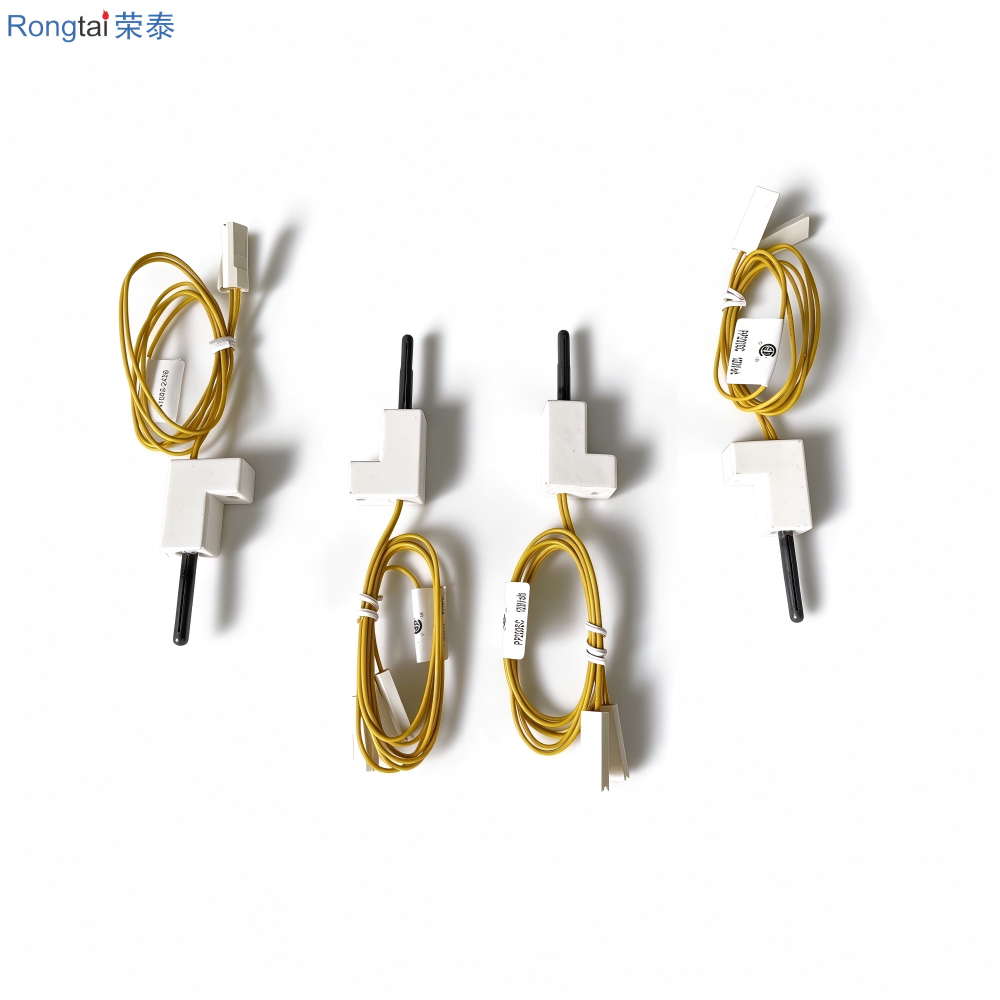
The first safety fact about a hot surface igniter is the one most people never see on a spec sheet: it runs at temperatures that will burn skin on contact. A silicon nitride igniter reaches its operat
The numbers are hard to ignore. Independent laboratory testing subjected both silicon nitride and silicon carbide hot surface igniters to 1,200°C surface temperatures with 60‑second on‑off cycles—a re
Scroll down to load more.
Load moreProduct Inquiry