Nothing ruins a weekend cookout faster than a grill that refuses to light. You press the button. You hear nothing. You press it again—still nothing. The burgers are waiting, the guests are watching, a
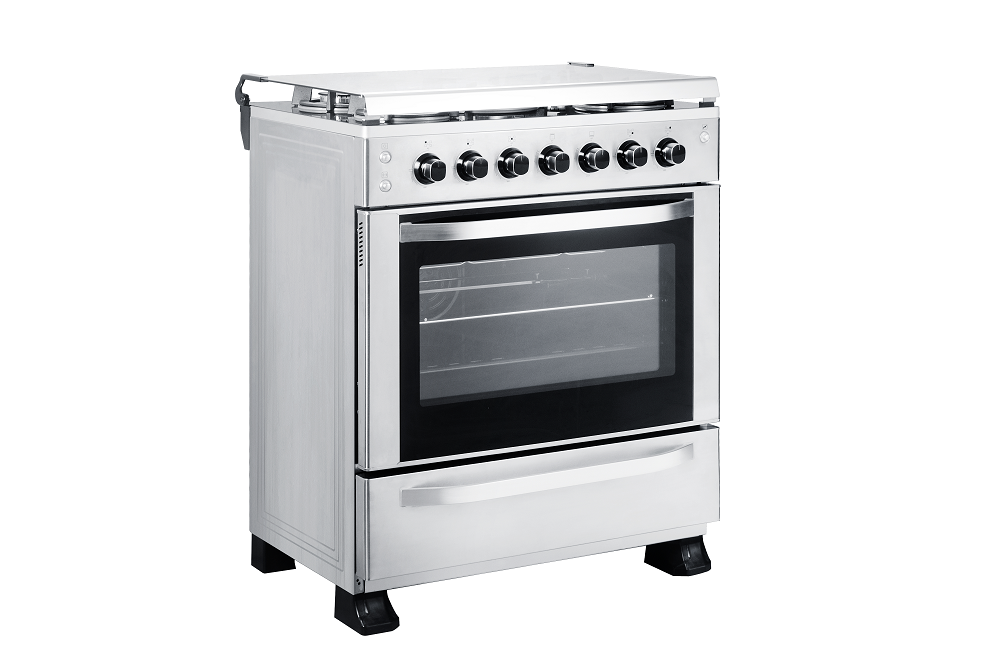
When a gas stove won't light, the Igniter is the first suspect — and usually the right one. But "the igniter is broken" covers a handful of different problems, and diagnosing which one saves both time
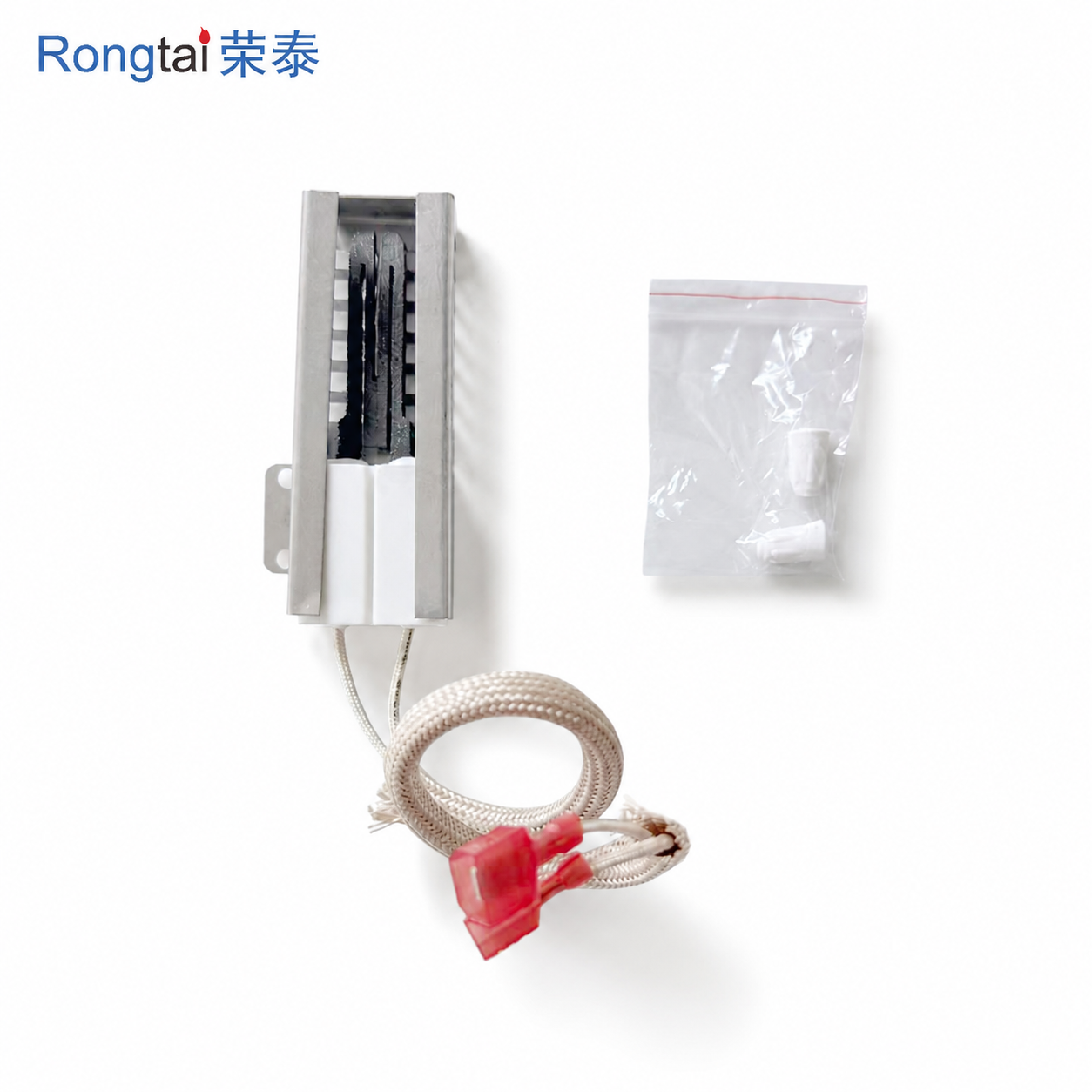
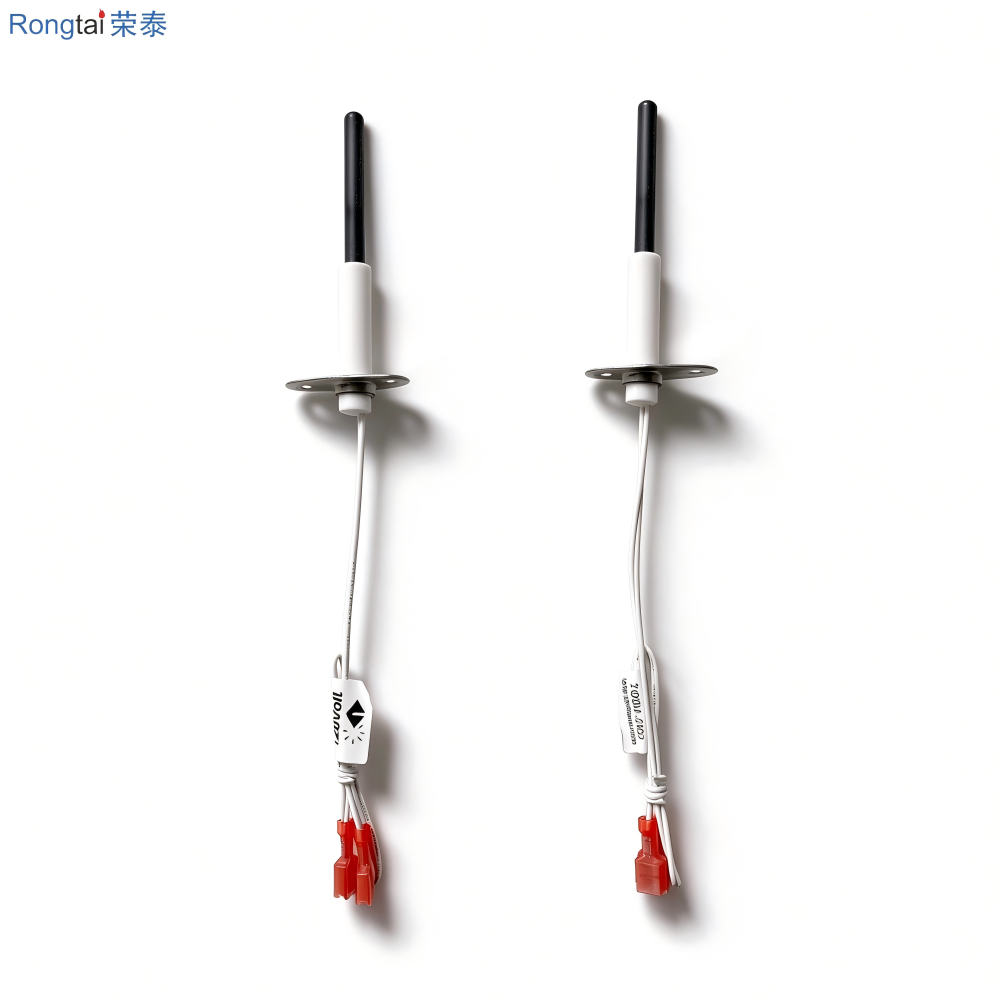
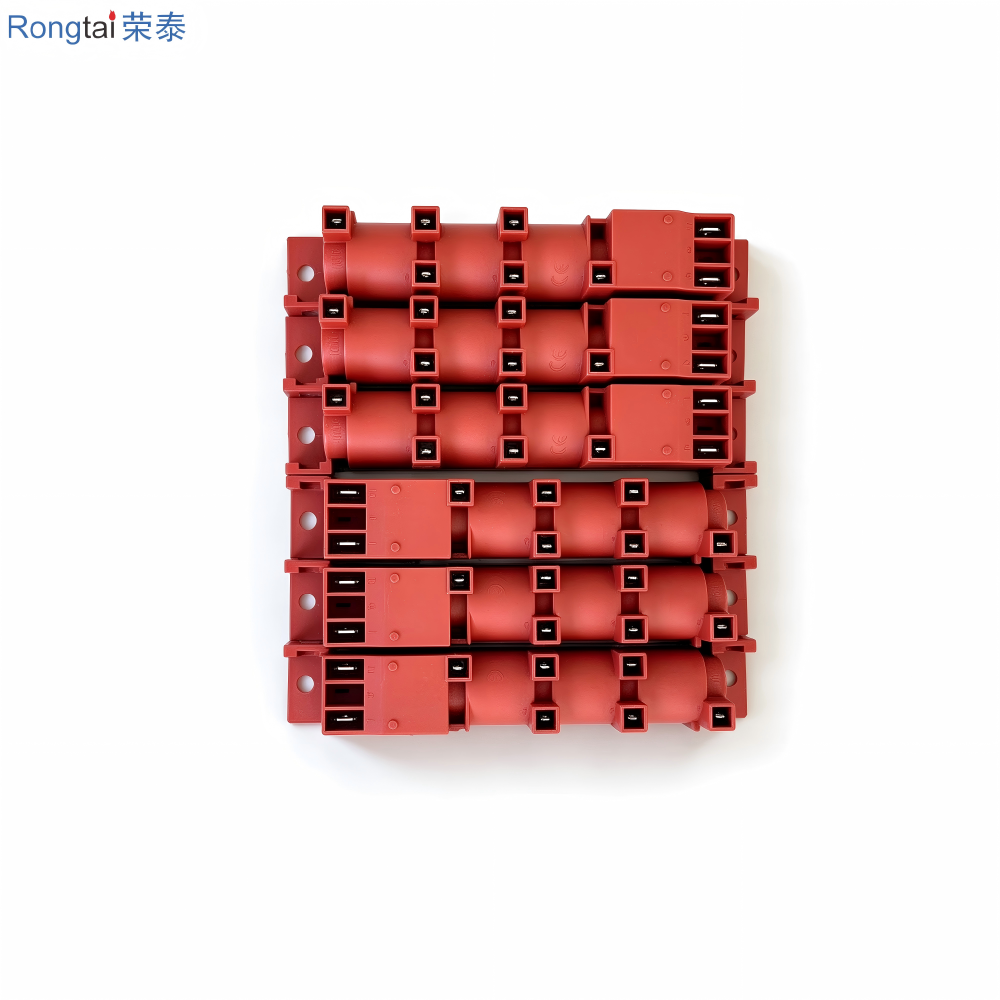
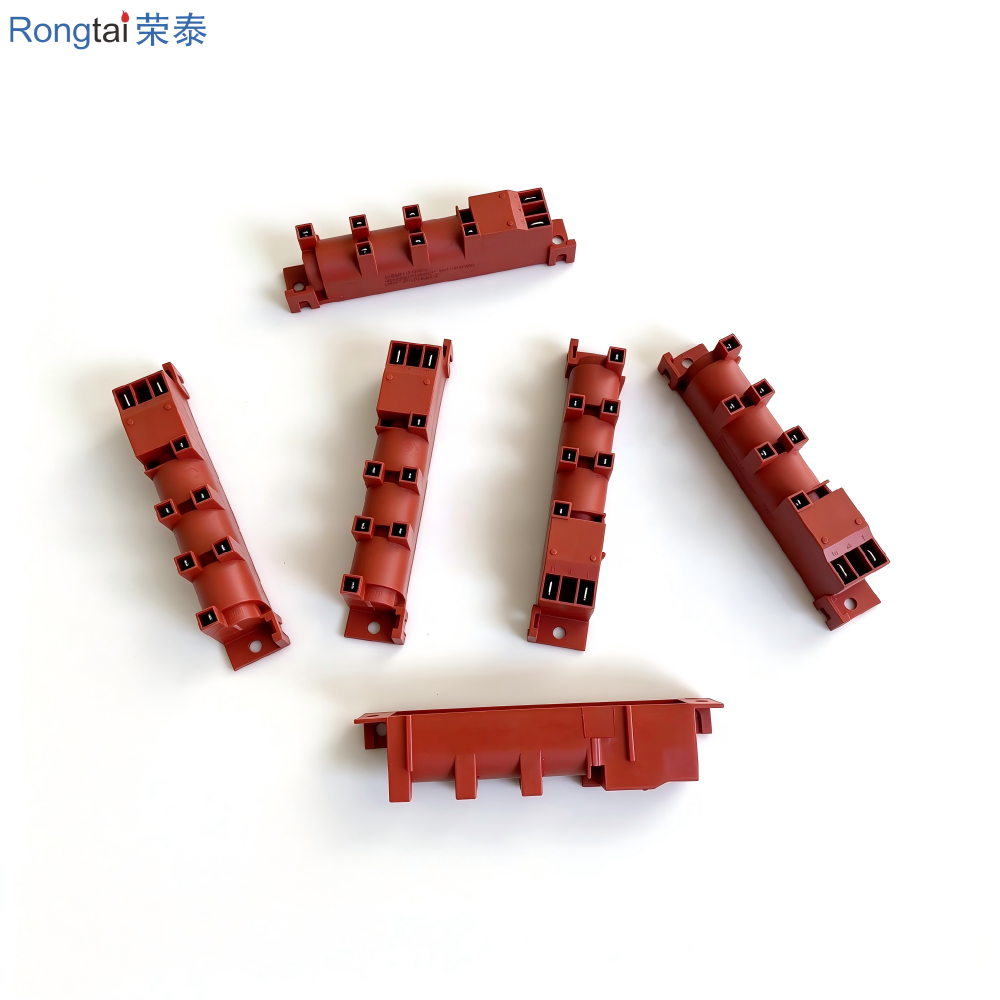
If you’ve ever owned a gas oven, you’ve heard the difference. One type clicks. The other glows. That’s the simplest way to tell a spark igniter from a Silicon Carbide Igniter . Spark ignition works li
Every gas-fired heating system follows the same basic sequence: power on, element heats, gas valve opens, flame appears. But the time between "power on" and "flame" varies dramatically—and that gap di
The choice between a hot surface igniter and spark ignition rarely comes down to which one is “better.” It comes down to where the heat is being made and who is standing next to it when it fails. A Ho
Ignition performance is one of the most critical safety and usability factors in gas cooking equipment. A reliable cooker ignition test ensures that burners ignite quickly, consistently, and safely un
A spark electrode is a small part with a narrow job: create a reliable gap for the spark to jump. When ignition gets flaky, the electrode is often blamed before anyone checks what's actually affecting
A restaurant owner in Chicago once told me that the worst sound in the world isn't a screaming customer or a crashing plate. It's the soft click of an Igniter trying to light an oven during the Friday
Walk into any appliance parts warehouse and you will find two ceramic Igniter options on the shelf: silicon carbide and silicon nitride. Both glow. Both light gas. But they age very differently, and t
The old glow-bar Igniter was a brute-force device. Every time a furnace called for heat, that element drew 300 to 450 watts and held it for 15 to 20 seconds, heating the surrounding air as much as the