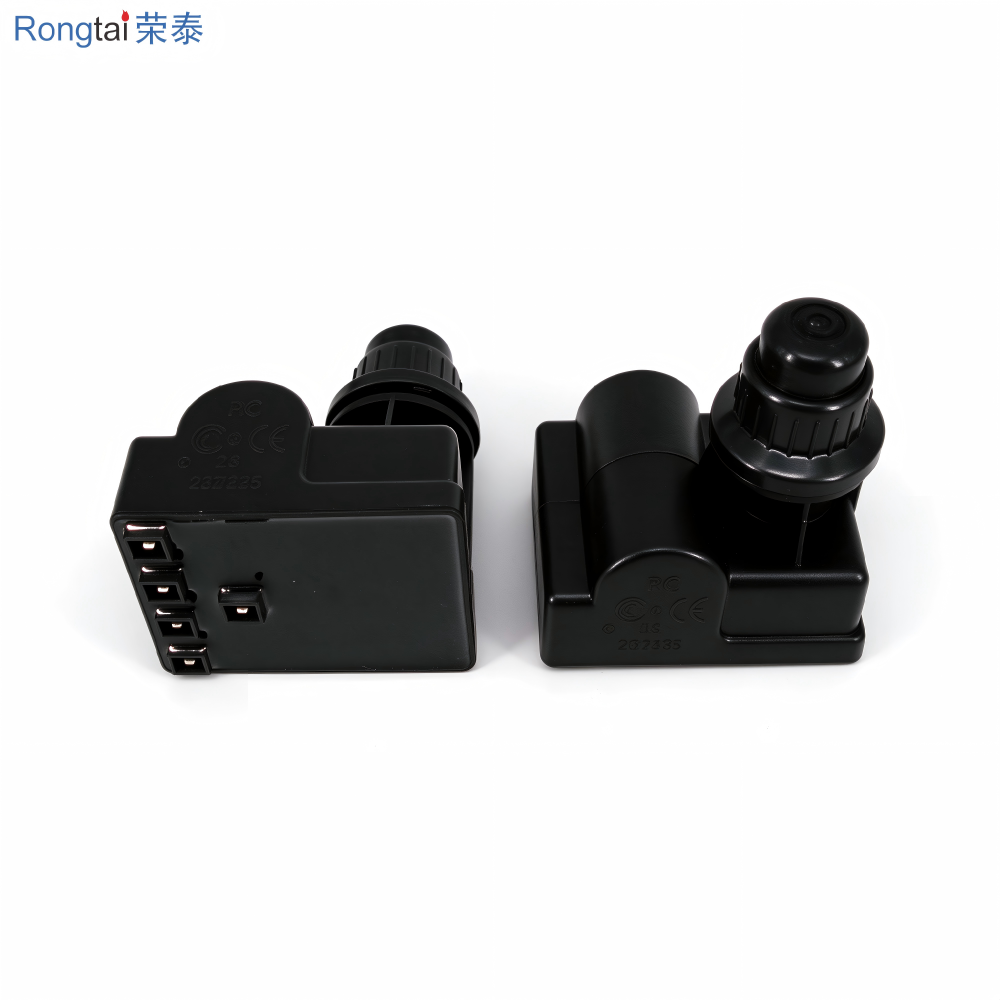
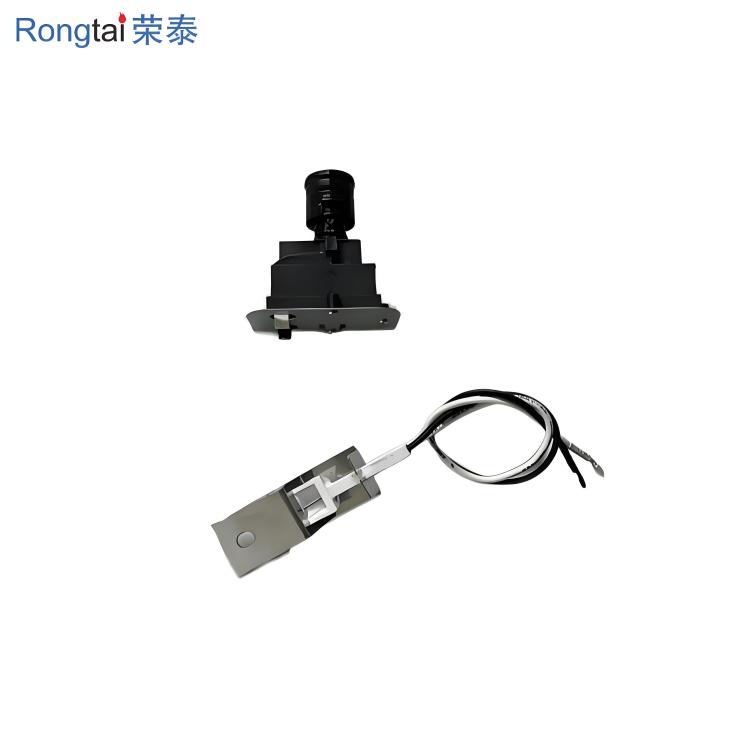
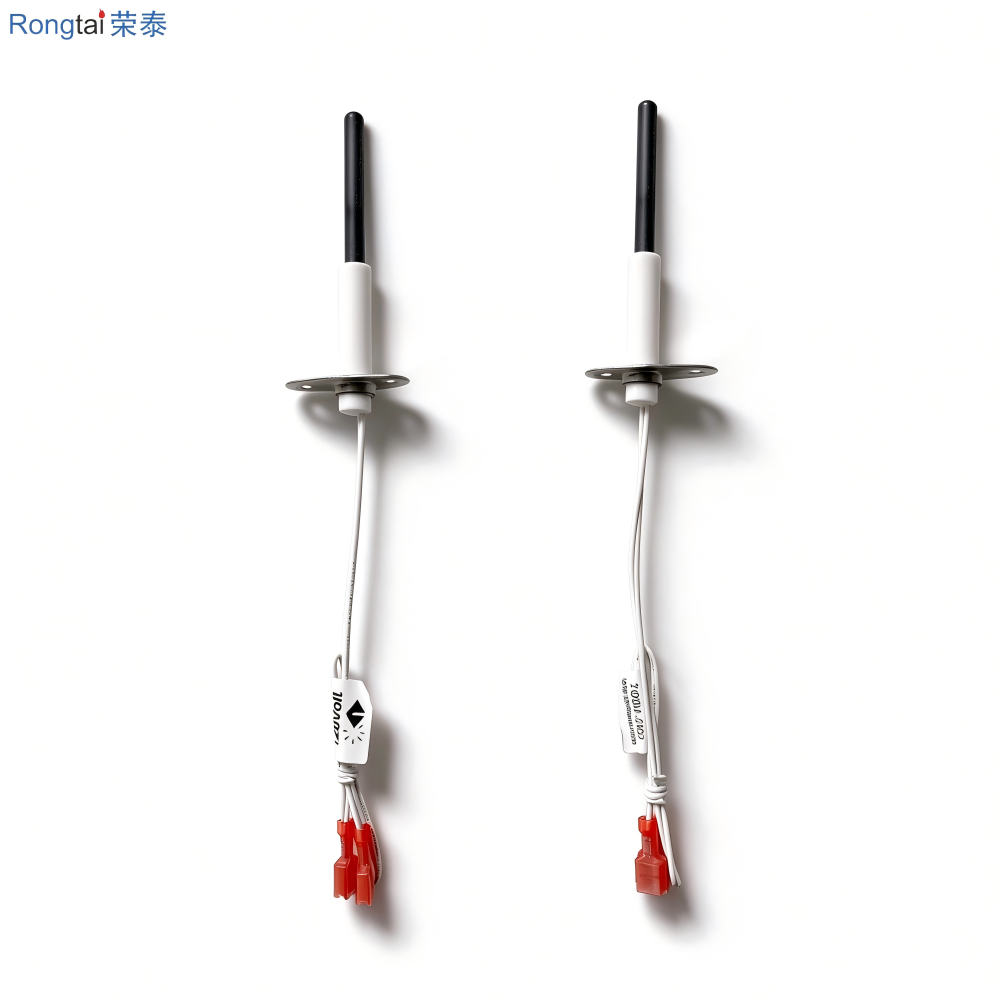
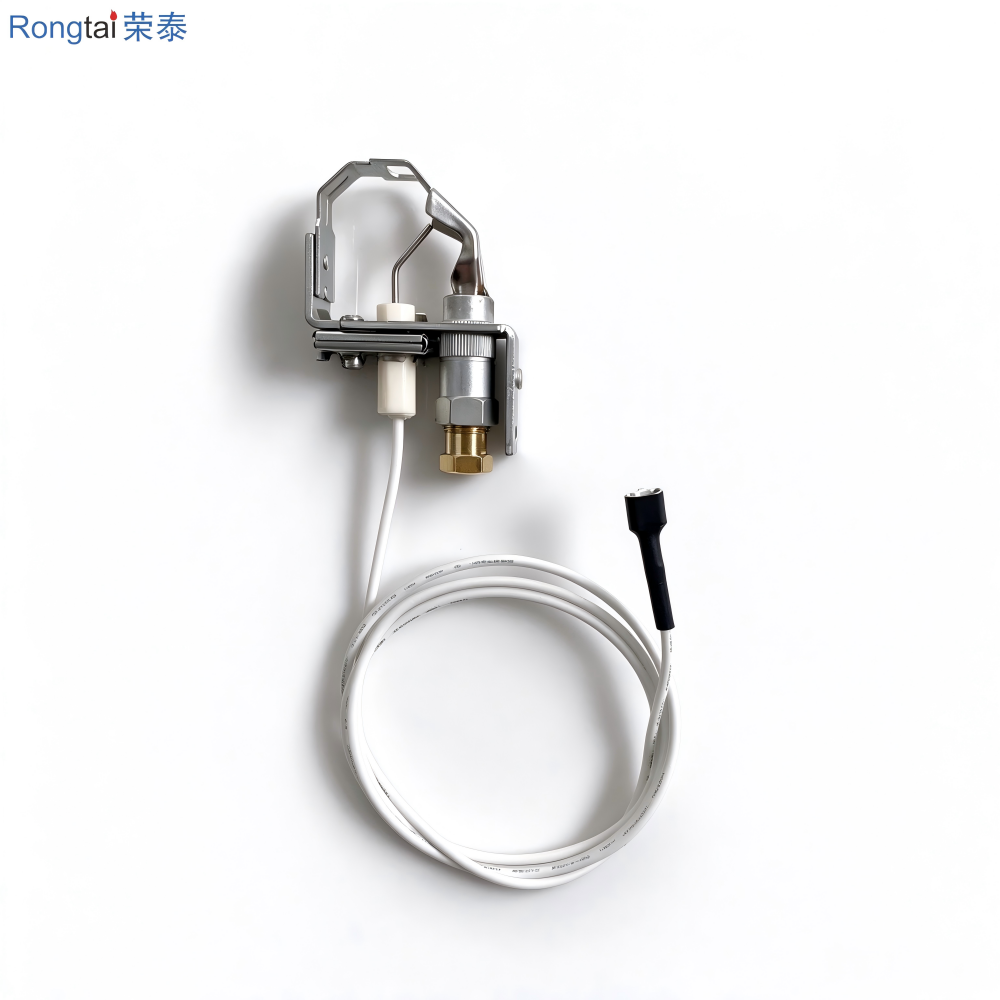
A spark electrode is a small part with a narrow job: create a reliable gap for the spark to jump. When ignition gets flaky, the electrode is often blamed before anyone checks what's actually affecting
Every backyard chef knows the sound. That endless click-click-click with no flame, followed by a whoosh of gas that makes you jump back. Nine times out of ten, the culprit is a worn-out ignition elect
A restaurant owner in Chicago once told me that the worst sound in the world isn't a screaming customer or a crashing plate. It's the soft click of an Igniter trying to light an oven during the Friday
When a gas burner or industrial heater fails, it is often not the big parts. It is the sensors. A Thermocouple, a Hot Surface Igniter, and an Ignition Electrode sit at the center of the safety loop. I
When a gas stove won't light, the Igniter is the first suspect — and usually the right one. But "the igniter is broken" covers a handful of different problems, and diagnosing which one saves both time
Nothing ruins a weekend cookout faster than a grill that refuses to light. You press the button. You hear nothing. You press it again—still nothing. The burgers are waiting, the guests are watching, a
The choice between a hot surface igniter and spark ignition rarely comes down to which one is “better.” It comes down to where the heat is being made and who is standing next to it when it fails. A Ho
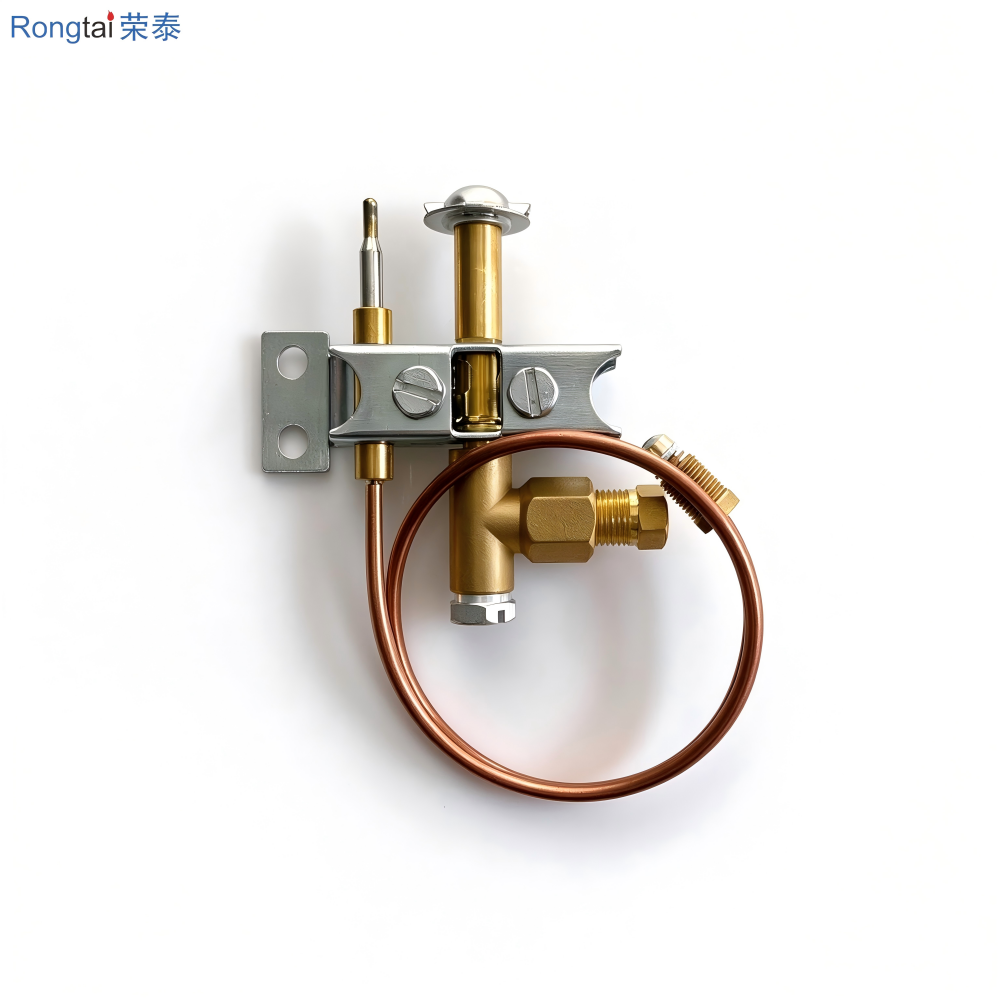
When sourcing an ODS Pilot Burner, most procurement teams focus on the overall length, thread size, and gas type. But the real failures happen in the details. Overlooking these three component specs l
Testing an ODS Pilot Burner before it reaches the assembly line is not just a quality check; it is a safety mandate. A failed ODS unit means a dangerous gas appliance that could leak unburned gas or f
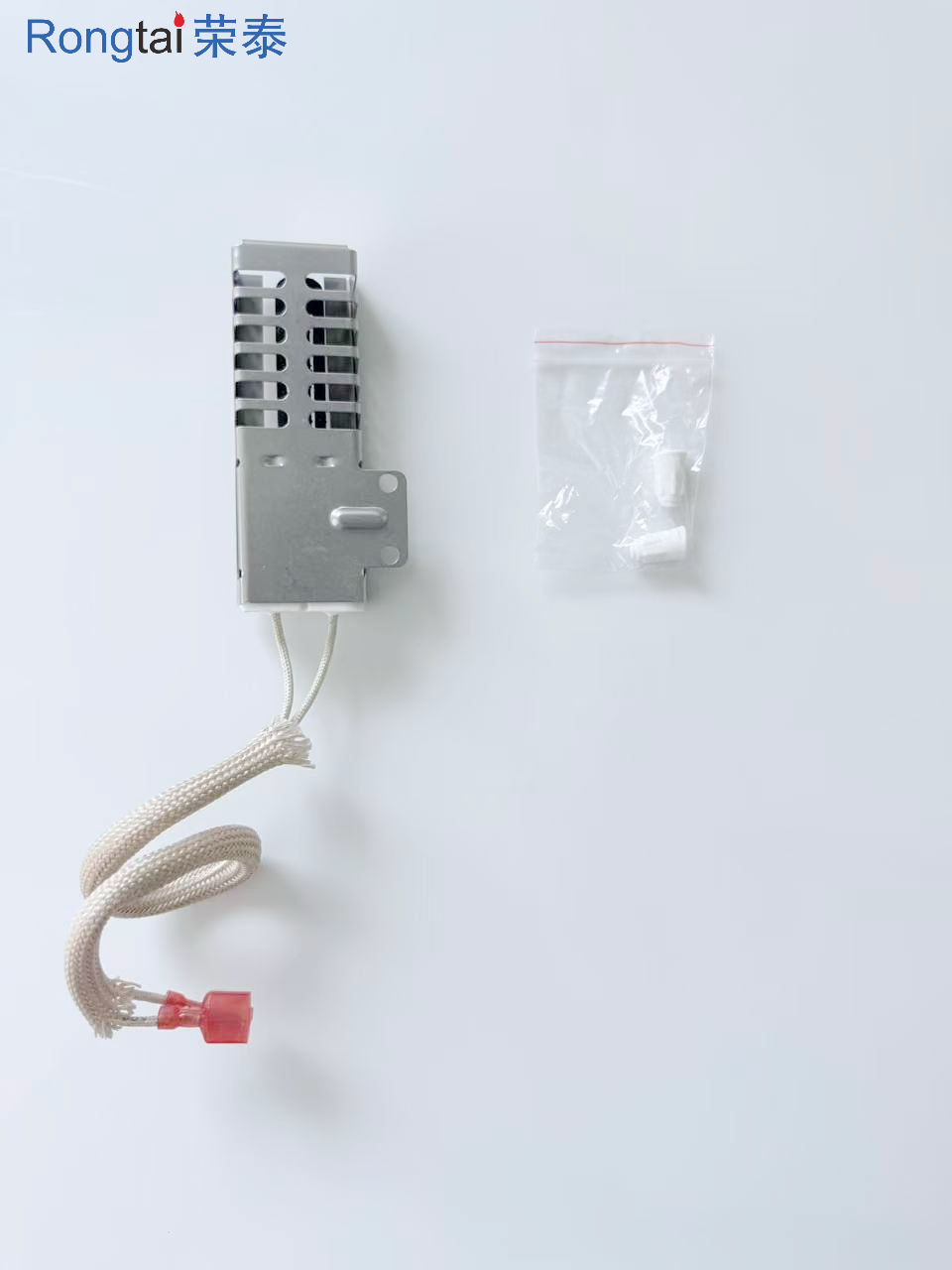
Every gas-fired heating system follows the same basic sequence: power on, element heats, gas valve opens, flame appears. But the time between "power on" and "flame" varies dramatically—and that gap di